 Skip to content
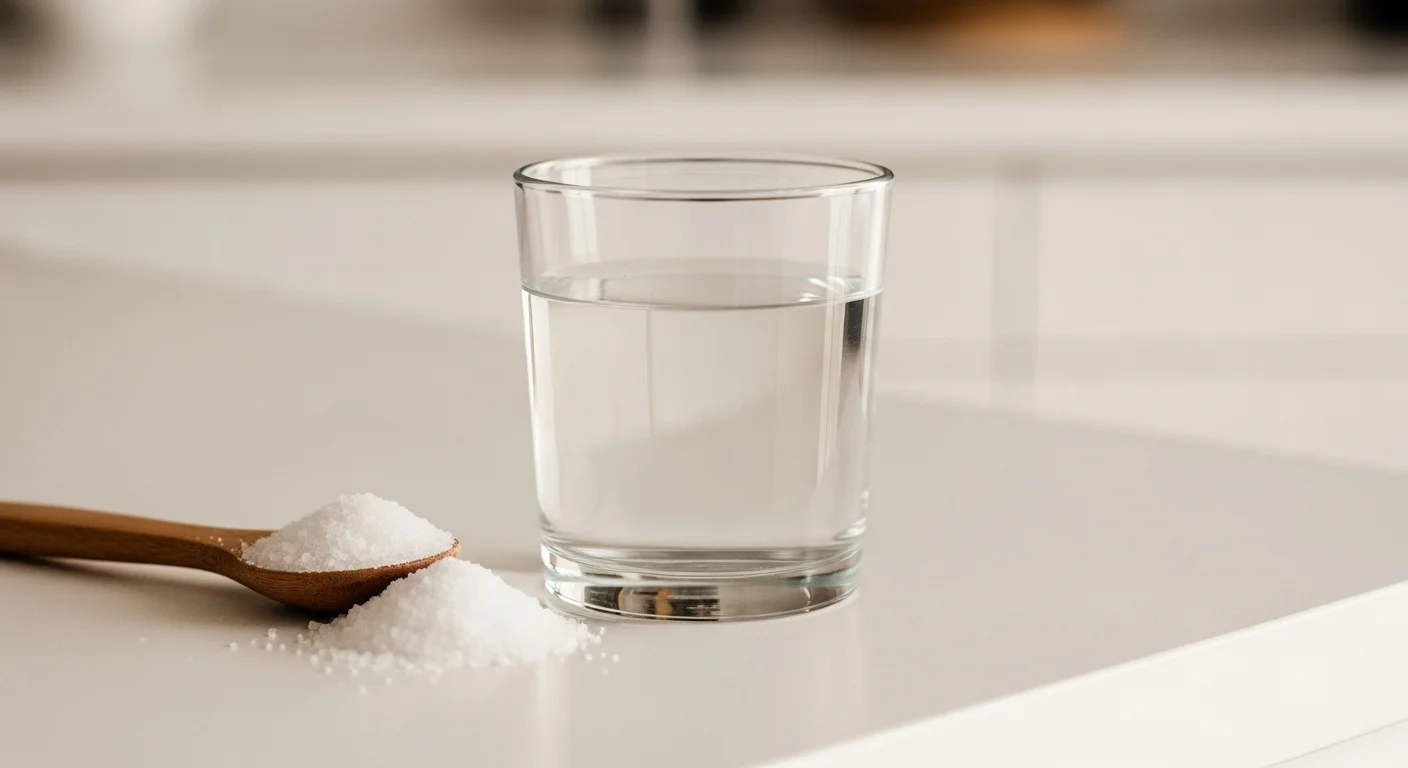
Salt water rinsing is one of the oldest dental remedies around, cheap, simple, and genuinely useful. But used the wrong way or too often, it can cause more harm than good.
Most people assume it’s completely harmless. It mostly is, but there are real side effects, and they’re almost entirely avoidable once you know what to watch for. Here’s the honest picture: benefits, risks, and exactly how to use it correctly.
Why Dentists Recommend Salt Water Rinses in the First Place
Before getting into the side effects, it helps to understand why this remedy actually works.
When you swish salt water, it creates a hypertonic environment in your mouth, meaning it has a higher salt concentration than your body’s cells. Through osmosis, it draws fluid out of swollen, inflamed tissue, which reduces swelling and relieves pain. It also temporarily raises your mouth’s pH, making it harder for bacteria to survive.
The American Dental Association recommends warm salt water rinses after tooth extractions to keep the site clean without irritating healing tissue. It’s also effective for canker sores, mild gum irritation, and sore throats.
But the key phrase is used correctly. Overdo it, and the same properties that make it helpful start working against you.
The Side Effects of Rinsing Your Mouth with Salt Water
1. Dry Mouth
This is the most common side effect of overuse. Salt is hygroscopic; it pulls moisture out of tissues. Rinse too often or with too strong a solution, and you strip the natural moisture layer from your mouth.
That’s a bigger problem than it sounds. Saliva protects your enamel, neutralizes acids, and keeps bacterial levels balanced. When saliva production drops, you actually create better conditions for the bacteria you were trying to eliminate. You’ll notice a persistent dry, sticky feeling and potentially worsening bad breath, the opposite of what you wanted.
2. Gum and Soft Tissue Irritation
A salt concentration that’s too high is harsh on the soft tissue in your mouth. It can cause burning, soreness, and increased gum sensitivity. If you already have mouth ulcers or open sores, a strong salt solution can make them significantly more painful rather than helping them heal.
Mild canker sores respond well to a gentle, properly diluted rinse. But if sores are severe or the tissue is already raw, ease up on the concentration.
3. Enamel Erosion with Long-Term Overuse
Salt itself isn’t acidic, but frequent rinsing disrupts your oral pH balance, and repeated swishing has a mildly abrasive effect on enamel over time. It’s worth noting that this requires significant overuse rinsing correctly two to three times a day poses a very low risk. The concern is people who treat it as a substitute for mouthwash and use it multiple times daily, long-term.
4. Altered Taste
Rinsing with salt water temporarily coats your taste buds in salt, which can dull or distort food flavors for 30–60 minutes afterward. More noticeable with higher salt concentrations. It’s minor, but worth knowing if you’re about to eat a meal.
5. Elevated Sodium Intake If Swallowed
A lot of patients worry about accidentally swallowing the salt water rinse. For healthy adults, the occasional small swallow is not a problem. The standard rinse formula contains roughly 280mg of sodium per cup, similar to a light snack.
However, if you’re managing high blood pressure, heart disease, or kidney disease, regular swallowing is a genuine concern. These conditions require careful sodium management, and rinsing several times a day with saltwater adds up. If this applies to you, use the minimum concentration and be careful not to swallow.
6. Dislodging a Blood Clot After Extraction (Dry Socket)
This one is serious and barely mentioned in most resources. If you’ve just had a tooth extracted and start rinsing too soon or too vigorously, you risk dislodging the blood clot that’s protecting the socket. That leads to dry socket an exposed bone condition that’s extremely painful and delays healing significantly.
The ADA is clear: wait 24 hours after an extraction before rinsing, and when you do start, be gentle. Let the water fall out of your mouth rather than spitting forcefully.
7. Effect on Dental Restorations
Salt water rinse is generally safe around crowns, fillings, and implants when used correctly. However, prolonged exposure to high-concentration saline may affect the bonding cement on older restorations over time. If you have extensive dental work, ask your dentist before making a salt water rinse a permanent daily habit.
Who Should Be Extra Careful
Most people can use saltwater rinses without issue. These groups should be more cautious:
People with high blood pressure or heart disease: stick to the minimum salt concentration and avoid swallowing.
People with kidney disease: the kidneys process excess sodium; frequent rinsing with swallowing adds unnecessary load.
Pregnant women: safe in moderation at standard concentration; avoid swallowing.
Children under 6: swallowing risk is too high; not recommended without close supervision.
Post-surgery patients: wait 24 hours, then rinse very gently only.
People with sensitive or eroded enamel: even mild salt solutions may worsen sensitivity.
What Kind of Salt Should You Use?
Most blogs skip this entirely, but patients ask it all the time.
Non-iodized table salt is the best option dissolves easily, has no additives, consistent concentration. Iodized table salt works fine, too, with a slight taste difference. Sea salt is acceptable. Himalayan pink salt and kosher salt are not ideal because they have coarser grains that don’t dissolve evenly, making it harder to control concentration.
The Right Way to Use It: Recipe and Frequency
The recipe:
- ½ teaspoon of non-iodized salt
- 8 oz (1 cup) of warm water, not hot
- Swish gently for 30 seconds, then spit. Don’t swallow. Don’t rinse with plain water immediately after.
How often, by situation:
| Situation | Recommended Frequency |
|---|---|
| After tooth extraction | 2–3x/day, starting 24 hours after for the first week |
| Canker sore or gum irritation | A few times per week, not a daily mouthwash substitute |
| General oral hygiene | A few times per week not a daily mouthwash substitute |
| Sore throat relief | 2–3x/day while symptomatic |
Signs you’re overusing it:
- Mouth feels dry throughout the day
- Gums look red or feel raw
- Food consistently tastes salty or muted
- Sores or irritation are getting worse, not better
If any of these apply, stop rinsing for 2–3 days and let your mouth recover.
Salt Water vs. Other Mouthwashes
Salt water is not interchangeable with fluoride mouthwash or prescription rinses.
Fluoride mouthwash actively strengthens enamel and provides daily bacterial protection. Salt water is neither a healing nor a soothing tool, nor a protective one.
Chlorhexidine is a prescription-strength antibacterial rinse used for clinical gum disease. It’s significantly more effective at killing bacteria than salt water, but it’s not for everyday long-term use.
Salt water is best used for short-term, targeted situations, post-procedure healing, a flare-up of gum irritation, and canker sores. It’s not a replacement for your regular oral hygiene routine.
Frequently Asked Questions
Do dentists recommend a saltwater rinse? Yes, but for specific situations, not as an everyday substitute for mouthwash. The ADA recommends it after dental procedures, for soothing sore throats, and for managing mild gum irritation. Your dentist won’t recommend it as a replacement for fluoride toothpaste, regular cleanings, or medicated rinses when those are needed.
How long does salt water take to heal gums? For mild gum irritation or inflammation, most patients notice improvement within 2–3 days of consistent rinsing. More significant gum issues like early gingivitis may take 1–2 weeks of twice-daily rinsing alongside proper brushing and flossing. If your gums aren’t improving after two weeks, that’s a sign you need a professional evaluation, not more salt water.
Is it okay to wash your mouth with salt water every day? Occasionally, yes. As a permanent daily habit, replacing mouthwash no. Daily long-term use raises the risk of dry mouth, tissue irritation, and enamel wear over time. Use it purposefully for a specific issue, resolve the issue, then go back to your routine.
Should you brush your teeth after a saltwater rinse? Ideally, do your salt water rinse after brushing and flossing, not before. Brushing after rinsing washes away the residual saline effect. The rinse works best as the final step in your routine. If you’re rinsing specifically for post-extraction healing or a canker sore, rinse on its own without brushing directly over the sensitive area.
The Bottom Line
Salt water rinse is a legitimate, dentist-approved tool when used correctly and for the right reasons. The side effects are real but almost entirely dose-dependent. Use the right concentration, don’t overdo the frequency, and don’t treat it as a permanent mouthwash replacement.
If you’re dealing with gum irritation, recovering from a procedure, or unsure whether your symptoms need more than a home remedy, the team at Summer Smile Dental in South Gate, CA, is here to help. A quick exam can tell you exactly what your mouth needs and what it doesn’t.
Call us to schedule an appointment. Same-day visits are available for urgent concerns.
