
Plaque hardens into tartar in as little as 24 to 72 hours but tartar itself doesn’t damage your teeth overnight. Early gum irritation can appear within a couple of weeks of tartar sitting untreated. Visible enamel damage and cavities usually take a few months to develop. Serious, often irreversible damage bone loss and advanced gum disease typically takes months to years of tartar being left in place.
The short version: tartar forms fast, but real damage builds gradually which is exactly why it’s dangerous. It gives you a false sense that everything’s fine while the groundwork for bigger problems is already underway.
The Actual Timeline, Stage by Stage
Hours 1-24: Plaque forms.
A sticky film of bacteria builds up on your teeth constantly, starting within hours of your last brushing. At this stage, it’s still soft and easy to remove with normal brushing and flossing.
24-72 Hours: Plaque hardens into tartar.
If plaque isn’t cleaned off, minerals in your saliva start calcifying it into tartar (also called calculus). Once this happens, it’s rock-hard and firmly attached to the tooth brushing and flossing can no longer remove it, no matter how hard you scrub.
1-3 Weeks: Gum irritation begins.
Tartar sitting along the gumline irritates the surrounding gum tissue, leading to gingivitis redness, swelling, and bleeding when you brush. This stage is still reversible with a professional cleaning.
1-3 Months: Enamel damage and early cavities.
Tartar creates a rough surface that traps even more bacteria and food debris, and it holds acid-producing bacteria directly against your enamel. Over a few months of this constant acid exposure, you can start seeing visible discoloration, softening of the enamel, and the beginning of cavities especially in the areas tartar tends to collect, like along the gumline and between teeth.
3-6+ Months: Gum disease progresses.
Left untreated, gingivitis can progress into periodontitis a more serious form of gum disease where the infection moves below the gumline. Pockets start forming between your teeth and gums, and bacteria trapped there begin attacking the structures that hold your teeth in place.
1+ Years: Bone loss and tooth loss risk.
This is the stage where damage becomes hard to fully reverse. Chronic tartar buildup and periodontitis erode the bone supporting your teeth. Teeth can loosen, shift, or eventually be lost. At this point, treatment shifts from simple cleanings to procedures like scaling and root planing, or even surgical intervention.
If tartar has already led to some gum irritation, the good news is gingivitis at this stage is fully reversible with a professional cleaning and better home care the key is catching it before it progresses any further.
Why the Timeline Isn’t the Same for Everyone
Some people build tartar faster than others, which shifts this whole timeline earlier:
- Not brushing and flossing consistently
- A diet high in sugar and refined carbs
- Smoking or tobacco use, which significantly speeds up tartar buildup
- Dry mouth, since saliva helps wash away bacteria naturally
- Crowded or misaligned teeth that are harder to clean thoroughly
- Genetics some people’s saliva mineral content makes them more tartar-prone regardless of hygiene habits
If several of these apply to you, damage can show up faster than the general timeline above.
Why You Can’t Just “Brush Harder” Once Tartar Forms
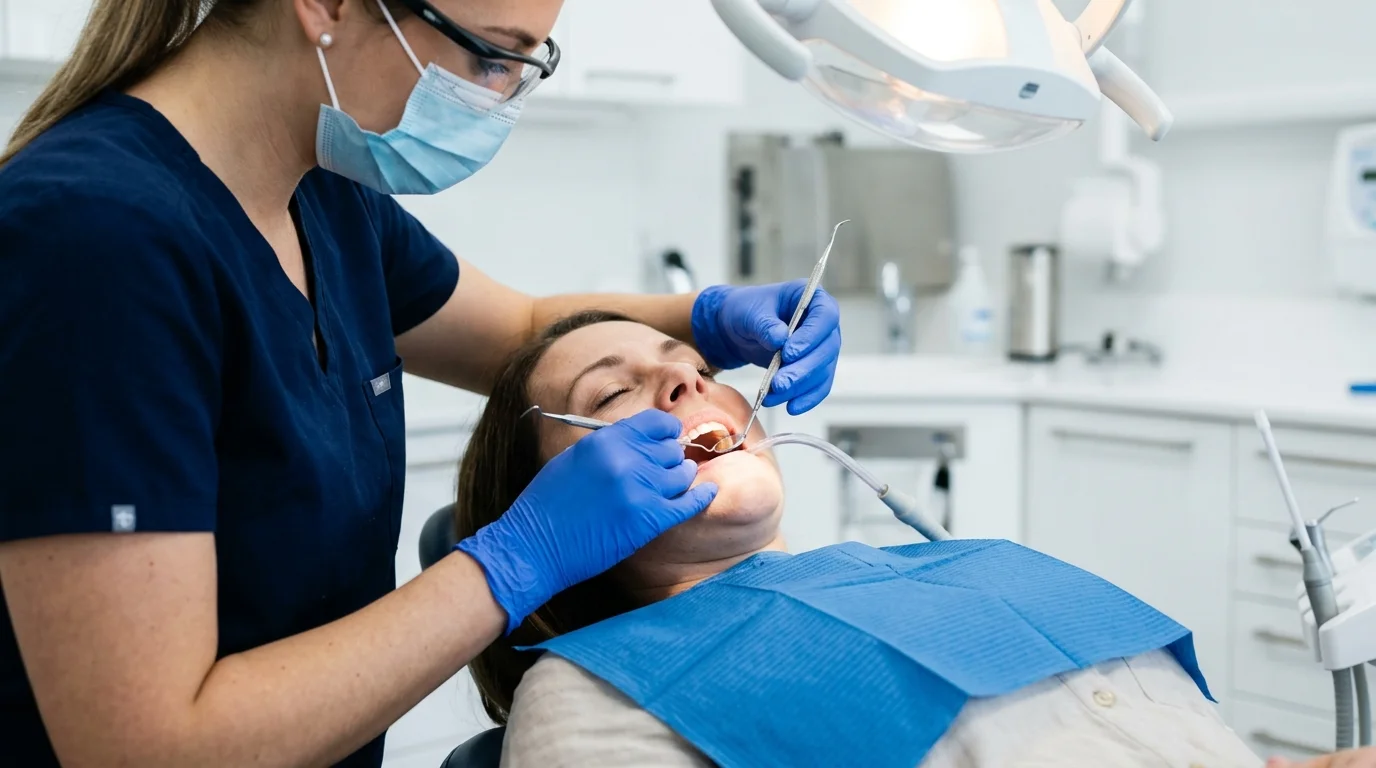
This is the part people misunderstand most: once plaque crosses into tartar, it’s chemically bonded to your tooth surface. No amount of brushing, flossing, or over-the-counter whitening tools will remove it you’ll just irritate your gums trying. Only a dentist or hygienist has the tools to safely remove it during a professional cleaning.
Signs Tartar May Already Be Causing Damage
- Gums that bleed when you brush or floss
- Persistent bad breath that doesn’t go away with brushing
- Visible yellow or brown buildup, especially along the gumline
- Gum swelling or redness
- Teeth that feel rough or “fuzzy” even right after brushing
- Gums that appear to be pulling away from your teeth (a sign of more advanced damage)
If you’re noticing any of these, it’s worth getting in sooner rather than waiting for your next scheduled cleaning.
How to Stop the Clock
- Brush twice a day with fluoride toothpaste, and don’t skip the gumline
- Floss once a day this is where tartar most often gets a head start
- Cut back on sugary and starchy snacks between meals
- Avoid tobacco products
- Get a professional cleaning every six months, or more often if your dentist recommends it based on how quickly you build tartar
FAQ
Can tartar damage teeth in just a few days?
No tartar forms within days, but visible damage takes longer to develop. A few days of tartar won’t cause lasting harm, but leaving it in place is what leads to problems over the following weeks and months.
Is tartar damage reversible?
Early stages (gingivitis) are reversible with a professional cleaning and better home care. Later stages involving bone loss are generally not fully reversible, which is why catching it early matters.
Can I remove tartar myself to stop the damage?
No tartar is hardened onto the tooth and can’t be removed with brushing, flossing, or home tools. Attempting to scrape it off yourself can actually damage your enamel and gums.
How do I know if I have tartar buildup?
Look for yellow or brown deposits along your gumline, a rough feeling on your teeth, gums that bleed easily, or persistent bad breath. A dental exam can confirm it either way.
How often should I get a cleaning to prevent damage?
Most people do well with cleanings every six months, but if you tend to build tartar quickly, your dentist may recommend visits every three to four months instead.
Noticing Buildup or Bleeding Gums?
The earlier tartar is removed, the less damage it has a chance to cause. If you’re seeing buildup, bleeding gums, or it’s just been a while since your last cleaning, Summer Smile Dental in South Gate can get your teeth back on track before tartar has a chance to do lasting damage. Schedule your cleaning today.