
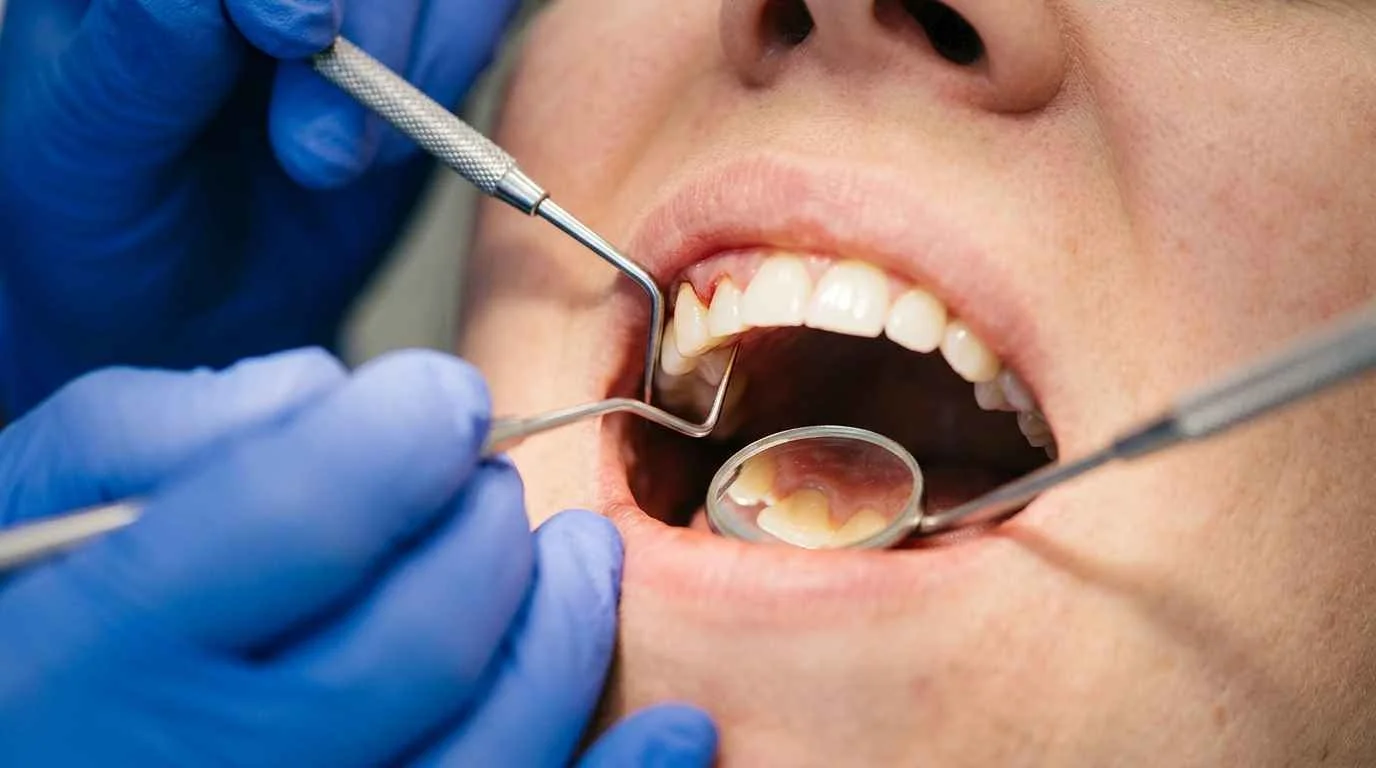
A dental crown itself can’t get infected it’s an artificial cap with no living tissue but the natural tooth underneath it, or the gum surrounding it, absolutely can. What people call a “crown infection” is really an infection of the biological structures around or beneath the crown, usually caused by bacteria that found a way in through a gap, a poor seal, or gum disease at the margin.
Here’s when this happens, how urgent it is, and what treatment actually looks like.
Two Different Timelines: Right After vs. Years Later
Shortly after getting a crown: Mild soreness and sensitivity in the first few days is normal as your gum tissue adjusts, especially if a temporary crown was involved first. Actual infection this early is uncommon, but it can happen if bacteria were sealed in during the procedure, the tooth had an unresolved issue before the crown was placed, or the fit isn’t quite right from the start.
Months to years later: This is the more common scenario, and it develops gradually a crown’s seal can weaken over time, decay can develop underneath where you can’t see it, or gum disease at the margin can progress unnoticed until it’s advanced.
What Actually Causes It
| Cause | Why It Happens |
|---|---|
| Decay under the crown | A weakening seal lets bacteria reach the natural tooth underneath, often silent until advanced |
| Gum disease at the margin | Plaque collects where the crown meets the gum; untreated, it progresses to periodontitis |
| Cracked or loose crown | Even a hairline crack or slight rocking creates an entry point for bacteria |
| Poor oral hygiene | Crowns need the same daily care as natural teeth skipping it increases risk significantly |
| A root canal that didn’t fully resolve | Bacteria can persist or re-enter a previously treated tooth, even years later, regardless of the crown on top |
How Urgent Is It? A Quick Self-Check
| What You’re Noticing | Urgency |
|---|---|
| Mild sensitivity in the first few days after placement | Normal monitor, not urgent |
| Persistent pain beyond a couple days, worsening | See your dentist soon |
| Swollen or bleeding gums around the crown | Schedule an appointment |
| Bad taste/odor near the crown, pain when biting | Schedule an appointment promptly |
| Visible pus, a crown that’s loose or shifted | Same-week visit |
| Fever, facial swelling, or spreading pain | Seek care immediately |
What Happens If It’s Left Untreated
Infection doesn’t resolve on its own. Left in place, bacteria can spread down through the tooth root into the jawbone, potentially affect neighboring teeth, and lead to a dental abscess a painful, swollen pocket of infection. In rare, severely neglected cases, infection can enter the bloodstream and affect other parts of the body. Tooth loss is also a real possibility the longer it goes unaddressed.
How It’s Treated (and What It Roughly Costs)
| Treatment | When It’s Used | Rough Cost Range |
|---|---|---|
| Professional cleaning + antibiotics | Infection limited to gum tissue, caught early | $100–$300 |
| Root canal (crown removed, then replaced) | Infection has reached the tooth’s inner pulp | $700–$1,500+ (plus new crown) |
| Crown replacement | The crown itself has a poor fit, crack, or failing seal | $800–$2,500 depending on material |
| Extraction + replacement (implant/bridge) | Infection has caused damage beyond repair | Varies widely; extraction alone often $150–$450, with implant/bridge as separate cost |
These are general estimates your dentist can give you an accurate cost based on your specific situation and insurance.
How to Prevent It in the First Place
- Brush twice daily, paying close attention to where the crown meets the gumline
- Floss daily around the crown this is the area your toothbrush misses most
- Keep up with six-month checkups; X-rays can catch decay under a crown well before symptoms appear
- Avoid chewing ice, hard candy, or very sticky foods that can crack or loosen a crown
- Get a loose or shifted crown checked immediately rather than waiting to see if it settles
How Long Should a Crown Last Without Problems?
A well-fitted crown typically lasts 10-15 years with good care, sometimes longer. Crowns on back teeth wear faster due to chewing forces, and grinding or clenching can shorten that lifespan considerably a night guard is worth discussing if that applies to you.
If treatment means removing and replacing your crown, understanding what that process actually feels like can ease some of that worry most patients find it far more manageable than they expect, especially with proper numbing throughout.
FAQ
Can a brand-new crown get infected right away?
It’s uncommon, but possible if bacteria were present before the crown was placed or the fit isn’t ideal. Mild soreness in the first few days is normal; worsening pain or swelling is not.
Can I treat a suspected crown infection at home first?
No infections don’t resolve without treatment, and delaying only gives it more time to spread. Warm salt water can ease discomfort temporarily, but it’s not a substitute for a dental visit.
Does a cracked crown always mean infection is coming?
Not immediately, but it creates an open pathway for bacteria, so it should be addressed quickly rather than left as-is.
Will I need a new crown if there’s an infection?
Sometimes it depends on whether the crown itself is the problem (poor fit, crack) or whether the issue is limited to the gum or a root canal need with the same crown reusable afterward.
Is this common, or a rare complication?
With good oral hygiene and regular checkups, most crowns last many years without ever developing an infection. This is a preventable and very treatable issue when caught early, not something to be alarmed about happening to you specifically.
Noticing Pain, Swelling, or Something Off With Your Crown?
Don’t wait to see if it resolves on its own dental infections need treatment, not time. Summer Smile Dental in South Gate can evaluate your crown and get it, and the tooth underneath, back to healthy. Schedule an appointment today.