
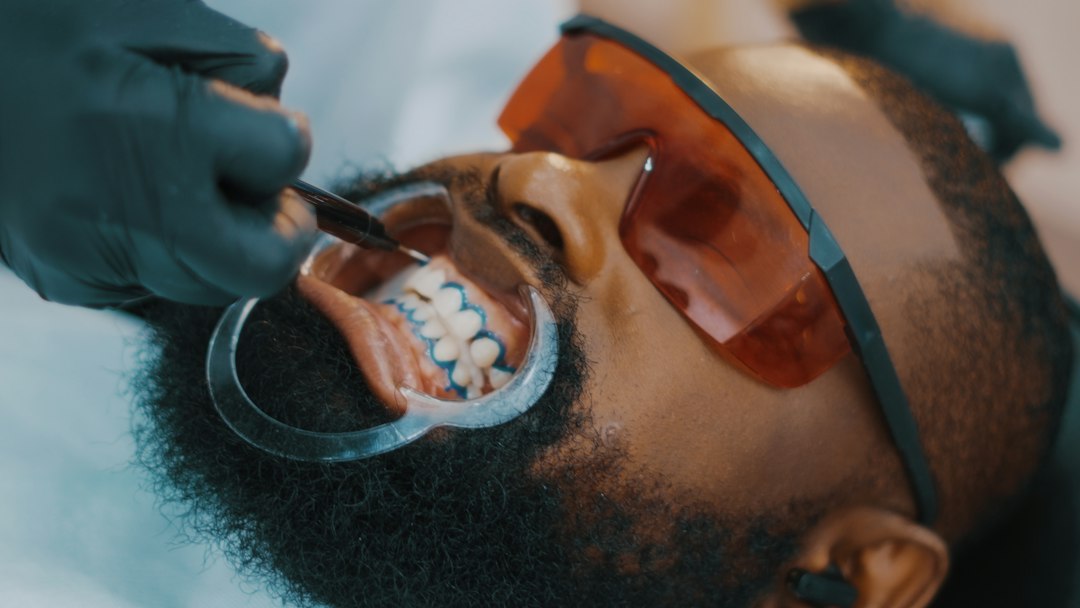
A regular cleaning is preventive and works on the visible parts of your teeth and just under the gumline. A deep cleaning treats gum disease by cleaning below the gumline, down to the roots, and it’s done when buildup has already begun to damage the gums.
If you’ve been told you need a deep cleaning, it’s not a punishment for skipping appointments. It’s a treatment for a specific problem.
What a Regular Cleaning Does
- Removes plaque and tartar from above and just below the gumline
- Polishes teeth to remove surface stains
- Is done on healthy gums, usually every six months
- Typically takes one visit of about 30 to 60 minutes
What a Deep Cleaning Does
A deep cleaning, called scaling and root planing, has two parts. Scaling removes plaque and tartar from below the gumline, in the spaces where the gum has pulled away from the tooth. Root planing smooths the root surfaces so the gums can reattach and heal, and so bacteria have a harder time clinging on.
It’s usually done a section of the mouth at a time, over one to four visits, and the area is numbed so you’re comfortable. Gums may be sore and slightly swollen for a few days afterward.
Signs You May Need a Deep Cleaning
- Gums that bleed when you brush or floss
- Red, swollen, or tender gums
- Gum pockets deeper than about 4 millimeters on measurement
- Persistent bad breath
- Gums that are pulling away from your teeth
- Visible tartar buildup below the gumline on X-rays
Your dentist or hygienist measures the space around each tooth to decide. Healthy gums measure about 1 to 3 millimeters, and anything deeper suggests that bacteria have settled in.
Who Tends to Need Each One
A regular cleaning suits people with healthy gums and no signs of periodontal disease.
A deep cleaning suits people with gum disease, especially if they haven’t had a cleaning in a long time, or have deep pockets and bleeding gums.
Those with early gingivitis often only need a regular cleaning and better home care, as we explain in our post on how long gingivitis takes to heal.
What Happens After a Deep Cleaning
- Gums may feel tender for a few days, so stick to soft foods if needed
- A follow-up visit in about four to six weeks checks how the gums are healing
- You’ll move to maintenance cleanings, often every three to four months
- Careful brushing and flossing at home becomes even more important
Gum disease can often be controlled or improved when treated early, which is covered in can stage 2 gum disease be reversed. To see what’s included in routine care, visit our teeth cleanings page.
FAQ
Is a deep cleaning painful?
The area is numbed, so you shouldn’t feel pain during it. Mild soreness afterward is common.
Can I skip a deep cleaning and just get a regular one?
If you have gum disease, a regular cleaning won’t reach the bacteria under the gumline, so the disease can keep progressing.
Is a deep cleaning covered by insurance?
Many plans cover it when it’s medically needed, though coverage varies. The office can help verify your benefits.
Will a deep cleaning make my gums recede?
Gums may look slightly different as swelling goes down, but the treatment is meant to stop the damage that causes recession.
How often will I need cleanings afterward?
Often every three to four months, at least at first, to keep the disease under control.
Not Sure Which Cleaning You Need?
A quick gum check is all it takes to find out. Summer Smile Dental in South Gate can measure your gums and recommend the right treatment. Schedule an appointment today.