
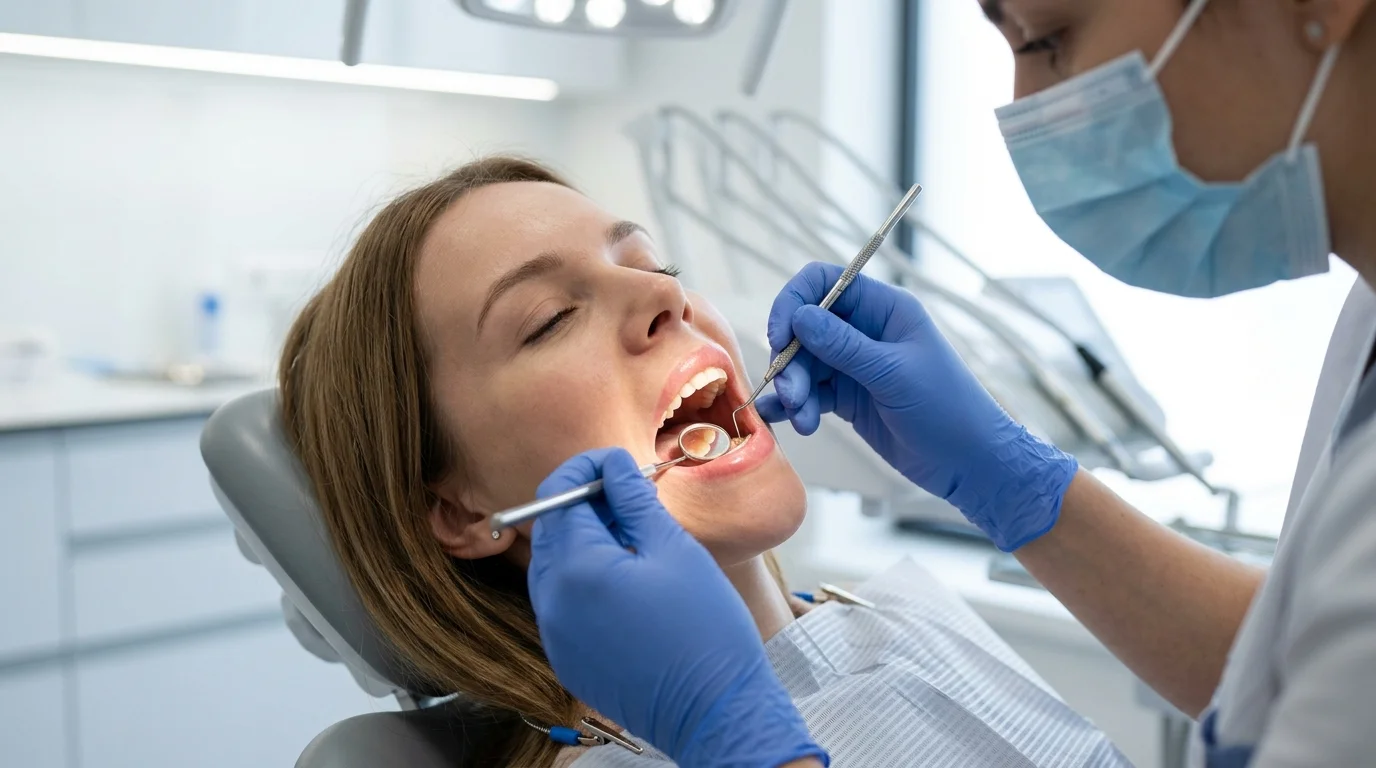
Salt water can help with early-stage gum disease (gingivitis) by reducing bacteria and easing swelling, but it cannot treat periodontitis, the more advanced form of gum disease. The difference comes down to depth: gingivitis is a surface-level problem a rinse can actually reach, while periodontitis involves bacteria trapped in pockets below the gumline that a rinse physically cannot access.
Here’s how that distinction plays out, stage by stage.
Gum Disease Isn’t One Condition Here’s Why That Matters
“Gum disease” usually refers to a progression, not a single fixed problem:
Gingivitis (early stage): Plaque along the gumline causes redness, swelling, and bleeding when you brush. At this stage, the problem is still on the surface no bone loss, no deep pockets. This is reversible with better hygiene and professional cleaning.
Periodontitis (advanced stage): Left untreated, gingivitis can progress into periodontitis. The infection moves below the gumline, forming pockets between the tooth and gum where bacteria collect out of reach of brushing, flossing, or rinsing. Over time, this damages the bone and ligaments holding your teeth in place damage that generally isn’t reversible, only manageable.
This distinction is the entire answer to “does salt water help.” For gingivitis, yes, meaningfully. For periodontitis, only as comfort support not treatment.
Why Salt Water Helps With Gingivitis
At the gingivitis stage, salt water rinses can genuinely help because the problem is still on a surface a rinse can reach:
- It creates a less hospitable environment for some surface bacteria
- It helps loosen and rinse away food debris and plaque along the gumline
- It can reduce the swelling and tenderness that come with early gum irritation
- Research has shown salt water rinses can measurably reduce plaque when used alongside regular brushing and flossing not instead of it
Used consistently alongside good hygiene, this can help gingivitis reverse rather than progress.
Why Salt Water Can’t Treat Periodontitis
Once gum disease has progressed to periodontitis, the mechanics change in a way a rinse can’t overcome:
- Bacteria live below the gumline, inside pockets that can be several millimeters deep far past where a swish of liquid can physically reach or clean effectively.
- Bone loss doesn’t respond to rinsing. Once the bone and ligaments supporting a tooth have been damaged, no amount of surface rinsing regenerates that structure.
- Hardened tartar (calculus) is involved, and tartar can’t be dissolved or removed by any rinse it requires professional scaling.
- The infection is structural, not just microbial. Even if salt water reduced surface bacteria noticeably, it wouldn’t address the physical pocket depth or bone loss driving the disease forward.
This is why dentists treat periodontitis with procedures like scaling and root planing, sometimes combined with antibiotics or surgical intervention tools that can actually reach and address the problem at its source.
What Salt Water Rinses Are Genuinely Good For
To be clear about where salt water earns its reputation:
- Easing discomfort after a dental cleaning, scaling, or extraction
- Supporting healing after periodontal treatment
- Reducing plaque as a supplement to brushing and flossing (not a replacement)
- Soothing general gum irritation and minor swelling
How to use it correctly: dissolve about ½ teaspoon of salt in a full cup of warm water, swish gently for 30 seconds, then spit it out. Once or twice a day for a few days is reasonable it’s a supportive habit, not a long-term daily treatment.
Signs Your Gum Disease Has Progressed Past What a Rinse Can Help
- Gums that bleed regularly, not just occasionally
- Gums that appear to be pulling away from your teeth, making teeth look longer
- Persistent bad breath that doesn’t go away with brushing
- Teeth that feel loose or have shifted
- Visible pus around the gumline
- Any noticeable gap or pocket forming between a tooth and the gum
If any of these apply, a rinse isn’t going to be enough it’s time for a periodontal evaluation.
How Periodontal Disease Is Actually Treated
- Scaling and root planing – a deep cleaning that removes tartar and bacteria from below the gumline and smooths root surfaces so gums can reattach
- Antibiotics – sometimes used alongside deep cleaning for more advanced infection
- Pocket reduction or gum surgery – for cases where deep pockets persist after non-surgical treatment
- Ongoing periodontal maintenance – more frequent cleanings (often every 3-4 months instead of 6) to keep the disease from progressing further
A bridge isn’t the only replacement option worth knowing about if you’re missing a tooth depending on your situation, an implant or partial denture might be a better long-term fit, and it’s worth understanding how each compares before deciding.
FAQ
Can salt water cure gum disease completely?
No. It can help manage early gingivitis alongside good hygiene, but it cannot cure periodontitis or reverse bone loss.
How do I know if I have gingivitis or periodontitis?
Gingivitis typically means red, swollen, bleeding gums with no looseness or shifting of teeth. Periodontitis often includes pocket formation, gum recession, and sometimes loose teeth a dental exam with pocket depth measurements confirms which stage you’re at.
Is it safe to use salt water every day?
Occasional use (a few times a day for a limited period) is generally fine, but it’s not meant to replace brushing, flossing, or professional cleanings as a daily long-term habit.
Will salt water stop periodontitis from getting worse?
Not reliably on its own. Professional treatment is what actually addresses the bacteria and damage below the gumline; salt water can only support comfort in the meantime.
Can gum disease come back after treatment?
Yes, especially without consistent home care and maintenance cleanings, which is why ongoing hygiene matters even after professional treatment resolves the active disease.
Concerned About Gum Disease?
Home remedies like salt water can support healthy gums, but they can’t diagnose or treat periodontal disease on their own. Summer Smile Dental in South Gate can check your gum health and let you know exactly where you stand and what treatment, if any, is needed. Schedule an evaluation today.