
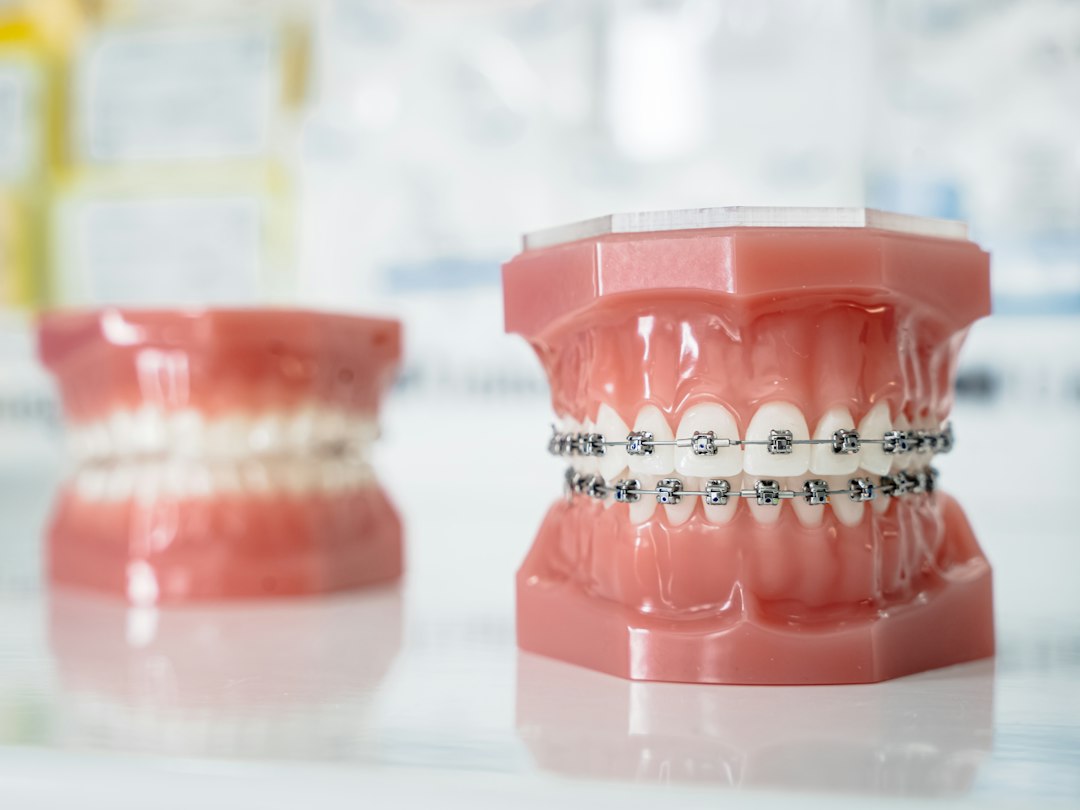
Neither one is better across the board. Invisalign is the better fit if you want a discreet, removable option and your case is mild to moderate, while traditional braces are often the more dependable choice for complex bite or alignment problems.
Here’s how they compare on the things adults usually care about most.
How They Differ
Appearance. Invisalign aligners are clear and hard to notice in conversation. Braces are visible, though modern brackets are smaller than they used to be and ceramic versions blend in more.
Removability. You take Invisalign out to eat, brush, and floss. Braces stay on the entire time, so there’s nothing to remember or lose, but also no breaks from them.
Eating. With aligners out, there are no food restrictions. Braces mean avoiding hard, sticky, and chewy foods that can bend wires or pop off brackets.
Cleaning. Brushing and flossing stay normal with Invisalign. With braces, you’ll need to clean around brackets and under wires, which takes more time and more patience.
Discipline. Aligners only work if you wear them 20 to 22 hours a day. Braces work whether you’re thinking about them or not.
Complex cases. Severe crowding, rotated teeth, and certain bite problems can be corrected with aligners in many cases, but braces give your dentist more direct control over difficult tooth movements.
Which One Tends to Suit Which Person
Professionals who talk to clients all day often prefer Invisalign because it’s barely noticeable and can come out for important meetings or events.
Adults with mild to moderate crowding or spacing are usually good candidates for either option, which makes lifestyle the deciding factor.
People with complex alignment or bite issues may be steered toward braces if the plan needs tight control over how certain teeth move.
Anyone who knows they’d forget or lose aligners may do better with something fixed in place.
What They Have in Common
- Treatment commonly runs 12 to 24 months, depending on the case
- Teeth feel sore for a few days after each adjustment or new set of aligners
- A retainer is needed afterward to keep teeth from drifting back
- Healthy gums and teeth are needed before treatment starts
Questions to Ask Before You Choose
- Is my case simple enough for aligners, or does it need braces?
- How long will treatment realistically take with each option?
- What happens if I don’t wear my aligners as directed?
- What will the total cost be, including retainers and follow-up visits?
You can read more about both options on our Invisalign page and our orthodontics page.
FAQ
Is Invisalign as effective as braces?
For many mild to moderate cases, yes. For more complicated bite problems, braces can offer more control, which is why an exam comes before the decision.
Is Invisalign more expensive than braces?
The cost is often similar, and it varies by case and length of treatment. Your quote should include retainers and follow-up visits so you can compare fairly.
Does Invisalign hurt less than braces?
Many people find aligners more comfortable because there are no brackets or wires rubbing against the cheeks. Both cause some pressure when teeth start moving.
Am I too old for braces or Invisalign?
No. As long as your teeth and gums are healthy, adults can be treated at any age.
Can I switch from braces to Invisalign partway through?
Sometimes, depending on how far treatment has progressed. It’s a conversation to have with your dentist rather than something to decide on your own.
Not Sure Which Option Fits You?
A quick exam is usually all it takes to see which route makes sense. Summer Smile Dental in South Gate can look at your teeth and walk you through both options. Schedule a consultation today.