
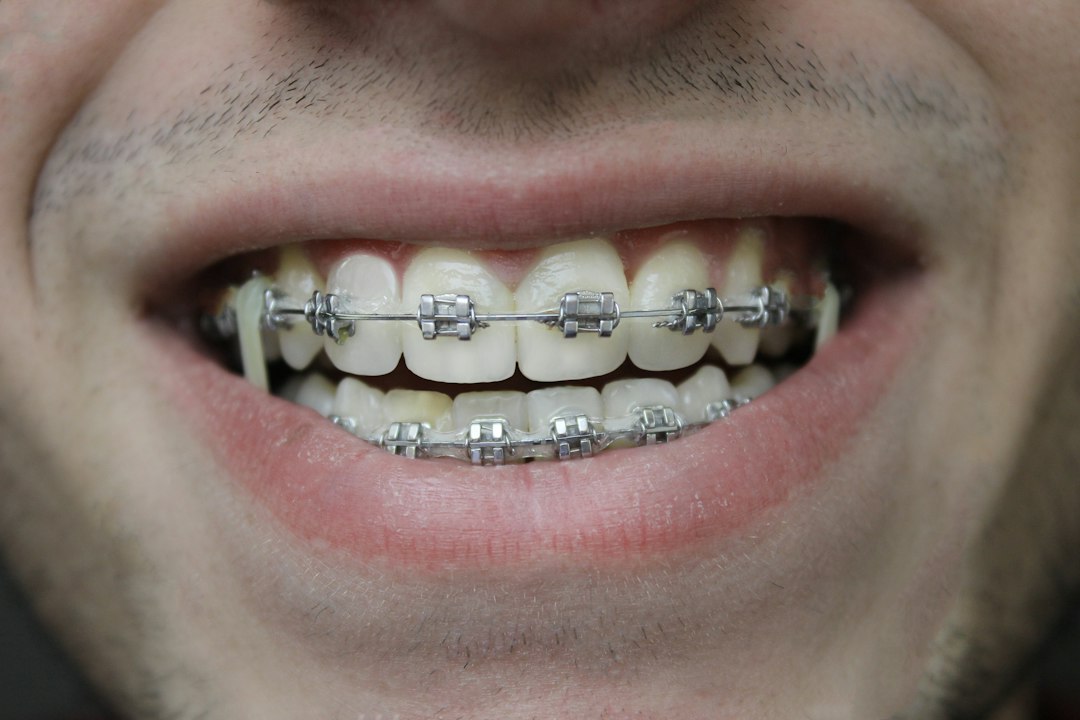
Most children start braces between ages 11 and 14, once most of their permanent teeth have come in. But the best time to evaluate is much earlier, around age 7, because some problems are easier to correct when caught young.
Here’s how to tell when your child is ready and what early treatment actually involves.
Why Age 7 Is Worth Paying Attention To
By around age 7, a mix of baby and adult teeth is present, and an orthodontist or dentist can spot developing issues with the bite and jaw. That doesn’t mean braces at 7. In most cases it means a check and a plan, and treatment can wait.
Early monitoring helps because the jaw is still growing, which makes certain corrections simpler.
Typical Timing by Stage
- Around age 7: first orthodontic evaluation
- Ages 8 to 10: early treatment, only if there’s a specific problem that benefits from it
- Ages 11 to 14: full braces for most kids, when nearly all permanent teeth are in
- Teens and adults: treatment is possible at any age if teeth and gums are healthy
Signs Your Child May Need an Earlier Check
- Baby teeth lost very early or very late
- Difficulty chewing or biting
- Mouth breathing or snoring
- Thumb sucking beyond the toddler years
- Teeth that are crowded, protruding, or don’t meet properly
- A jaw that shifts or makes sounds when opening
- Teeth that look misaligned in the front
What Early Treatment Can Do
When a child needs treatment before the teen years, it’s usually targeted: a palate expander to create room, a space maintainer, or a short phase of partial braces. The goal is to guide growth and avoid bigger problems later, not to finish the whole job at once. Many children then take a break before a second phase of braces in the teen years.
Who Benefits From Waiting
Kids with mild crowding or spacing often do just as well starting at 11 to 13, when all their adult teeth have erupted.
Children who still have many baby teeth usually can’t have full braces yet, because the adult teeth haven’t arrived.
Teens who are ready to take care of braces tend to do better, since brushing around brackets takes real effort.
What About Adults?
It’s never too late. Adults get braces or clear aligners all the time, as we compare in our post on Invisalign vs. braces for adults. The main requirement is healthy teeth and gums.
FAQ
Is 10 too young for braces?
Not necessarily. Some children need early treatment, but most 10-year-olds still have baby teeth and are monitored instead.
Can braces be put on baby teeth?
Usually not. Full braces wait until the adult teeth are in, though some early appliances are used on mixed dentition.
How long do braces take for teens?
Commonly one to two years, depending on how much movement is needed and how well the plan is followed.
Do teens need a retainer afterward?
Yes. Without a retainer, teeth tend to drift back toward their old positions.
What if my child’s teeth are only slightly crooked?
Mild crookedness may still be worth treating for bite and cleaning reasons, but an exam is the way to know.
Wondering If It’s Time for an Evaluation?
A quick exam can tell you whether to act now or wait. Summer Smile Dental in South Gate offers orthodontics for teens and can check your child’s bite. Schedule an evaluation today.